The Most Common Types of Intrusive Thoughts
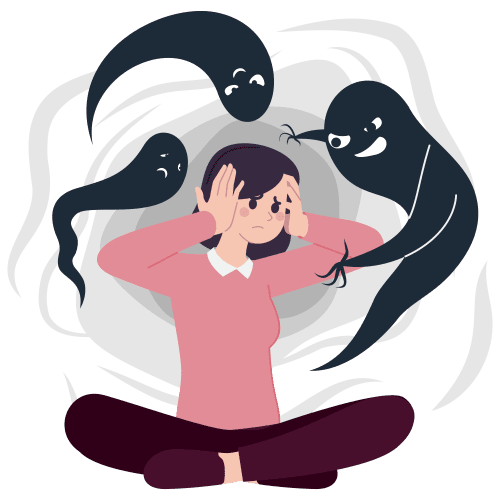
Learn about intrusive thoughts, their causes, and the most common types people experience. Discover how CBT can provide effective treatment.
52 articles in this topic. Browse all topics.
52 articles
Learn about intrusive thoughts, their causes, and the most common types people experience. Discover how CBT can provide effective treatment.
Intuitive Eating helps those with Binge Eating Disorder by rebuilding Trust in Hunger and Fullness Cues while promoting healthy eating habits
Trichotillomania or hair-pulling disorder is about feeling a strong urge to pull out hair leading to noticeable hair loss, distress.
Skin Picking Disorder is repetitive skin picking that leads to tissue damage and distress. CBT is the primary approach to treatment.
Inaccurate mental health content ranges from oversimplified explanations of complex disorders to outright false claims about treatment.
The DSM-IV's multi-axial system assessed individuals across five different axes, addressing aspects of conditions and their impact.
Hoarding disorder is defined as the accumulation of clutter and leads to compromised living spaces, impaired functioning, and relationships.
Many individuals struggling with mental health issues also experience a lack of energy, which can hinder their daily functioning.
Workaholism can be defined as an addiction to work and an uncontrollable need to work incessantly, often at the expense of personal well-being
Porn addiction is characterized by an individual's inability to control their consumption of pornography despite negative consequences.
Somatization Disorder characterized by persistent physical symptoms that cannot be fully explained by medical or neurological conditions.
Health anxiety disorder or hypochondriasis, is characterized by excessive worry and fear about having a serious medical illness.
ADHD is characterized by patterns of inattention, hyperactivity, and impulsivity that interfere with daily functioning and development.
Addiction is commonly defined as a chronic, relapsing disorder characterized by compulsive drug seeking, despite harmful consequences.
The midlife crisis is a period of self-reflection and reevaluation that typically occurs in one's 40s or 50s.
Concerns over game addiction, a phenomenon that can have profound effects on mental health and overall well-being.
Premenstrual Dysphoric Disorder (PMDD) is a severe form of PMS that affects a small percentage of menstruating individuals.
Developmental Spectrum Disorders encompass a diverse array of conditions impacting individuals' growth and development.
People with agoraphobia experience intense fear and anxiety in situations where escape might be difficult might not be readily available.
Cyclothymic Disorder is a mood disorder that manifests as chronic mood swings ranging from mild depression to hypomania.
Comorbidity, the coexistence of multiple chronic conditions or disorders, is a pervasive reality in both physical and mental health.
Seasonal Affective Disorder (SAD) is recurrent depressive episodes that occur most commonly during fall and winter.
Substance use disorders are conditions characterized by the recurrent use of substances despite adverse consequences.
Avoidance is a natural part of life, persistent and pervasive avoidance can become a manifestation of various mental health problems
The placebo effect refers to the observable improvement in a person's condition after receiving a treatment that has no therapeutic effect.
Adjustment disorder is often-utilized diagnosis for therapists working with insurance providers and in clinical settings.
Burnout is chronic physical and emotional exhaustion, often accompanied by a sense of cynicism and detachment from work and life.
Psychosis is a mental health condition characterized by a disconnection from reality, leading to distorted thoughts, emotions, and behaviors
Procrastination, the art of postponing tasks, might have a profound impact on personal and professional development.
Perfectionism, when taken to extremes, undergoes a transformation from a motivational force to a maladaptive burden.
The DSM has both positive and negative aspects that have shaped our understanding of mental health disorders over the years.
The field of counseling and psychiatry has witnessed a surge in diagnoses, raising concerns about the phenomenon of overdiagnosing.
Evolutionary psychology, a field that explores the ways in which human behavior has evolved offers insights towards modern disorders.
Selective Mutism (SM) is a childhood anxiety disorder characterized by the consistent inability to speak in specific social situations.
Anorexia nervosa is characterized by an intense fear of gaining weight, self-imposed starvation, and distorted body image.
Splitting is a emotional defense mechanism can significantly impact the individual's relationships, self-perception, and overall well-being.
Neurotransmitters, including serotonin, norepinephrine, and dopamine, regulate mood, attention, and overall mental well-being.
Complex Post-Traumatic Stress Disorder (C-PTSD) is a mental health condition stemming from prolonged and repetitive trauma.
The Minnesota Starvation Experiment, has had an impact on how we perceive and treat disorders like anorexia and bulimia.
Dysthymia is a mental health condition characterized by a chronic, low-level depression that lasts for at least two years
Histrionic Personality Disorder (HPD) is characterized by pervasive attention seeking, excessive emotionality, and strong desires for approval
Bipolar disorder is a condition characterized by extreme mood swings between manic highs and depressive lows impacts individuals' lives.
Postpartum depression (PPD) is a serious mental health condition that affects many women after giving birth with symptoms and treatment options.
In this article we will explore the causes and symptoms of panic disorder, as well as the various treatment options available.
This article explores models and theories shaping mental health, emphasizing the interplay between biological and social factors.
This article explores the connection between nutrition and mental health. The way we eat can influence our mental health positively.
Somatoform Disorders, a group of psychological conditions, illuminate this intricate relationship, challenging our understanding of physical symptoms and their origins.
Lets explore Anxiety disorders, types, causes, symptoms along with how to manage and support individuals living with anxiety.
Understanding obsessive-compulsive disorder requires learning about intrusive thoughts, avoidance, behavioral avoidance, anxiety, and rituals
Trauma can have a profound effect on our lives, this article dives into layers of trauma ptsd treatment and evidence-based interventions
In this article you can find information about worry, anxiety and panic attacks and evidence based treatment options.
Lets dive into what is depression while talking about treatment, therapy, statistic from a comprehensive perspective.
Ready to begin? Start your online therapy journey today.
Book your first session now