Understanding Lay Epistemology: How We Form and Hold Onto Beliefs
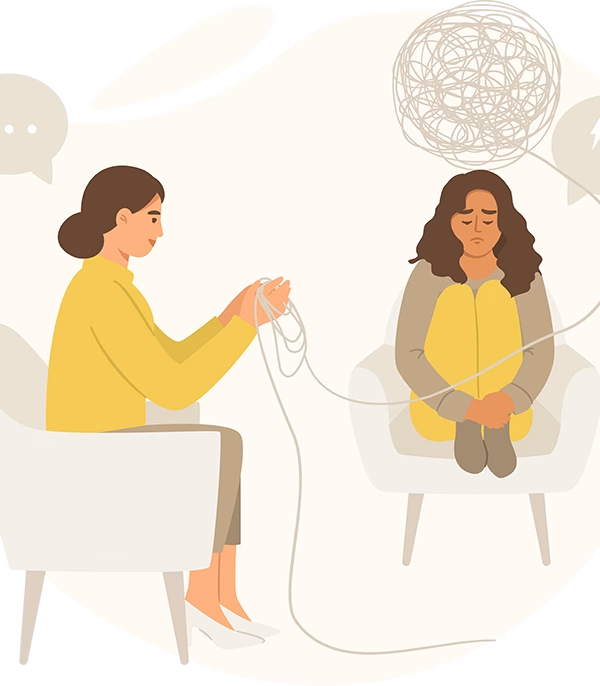
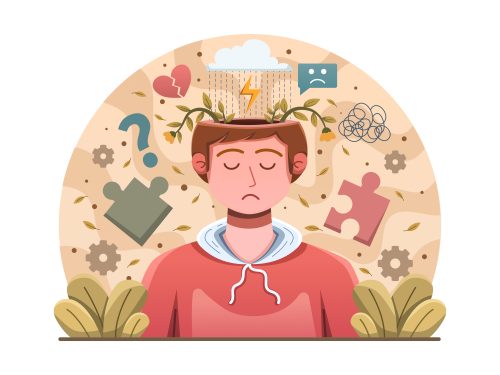
How do we decide what to believe? Lay epistemology explains the everyday process of forming conclusion when facing beliefs cause distress.
Welcome to the article hub, a go-to resource for a wealth of information and support on a mental health journey. New articles are coming up daily to ensure access to the latest insights.
The articles cover a wide range of topics to address the diverse needs of readers. For those managing ADHD, anxiety, or other disorders, concise and informative articles offer practical advice and insights to help navigate these challenges. In-depth content explores symptoms, treatment options, and coping strategies for specific issues like Borderline Personality Disorder, OCD, and eating disorders.
The blog provides information on current mental health topics. It explores specialized areas such as psychoanalysis, CBT (Cognitive Behavioral Therapy), and various theories and models of therapy, offering a comprehensive understanding of different therapeutic approaches.
Understanding that many factors influence mental health, articles also cover emotions, thoughts, and dreams. These pieces aim to help better understand the inner world and develop healthy ways to manage feelings and thoughts.
Special attention to creating inclusive content for diverse communities, including LGBTQI+ individuals. Articles in this section address unique challenges, provide supportive resources, and celebrate the diverse experiences within the community.
Topics related to grief, trauma, and suicide are also tackled, offering compassionate guidance during difficult times. Sections on meditation, nutrition, and sleep highlight the importance of a holistic approach to mental health, offering practical tips for maintaining a balanced lifestyle.
Additionally, events and podcasts provide interactive ways to learn about mental health and connect with others. Each article is designed to support the therapy experience by providing context for the themes and tools discussed in sessions.
Explore the diverse range of articles today and find the support and information needed to thrive. The mental health journey is essential, and help is available every step of the way.
226 articles
How do we decide what to believe? Lay epistemology explains the everyday process of forming conclusion when facing beliefs cause distress.
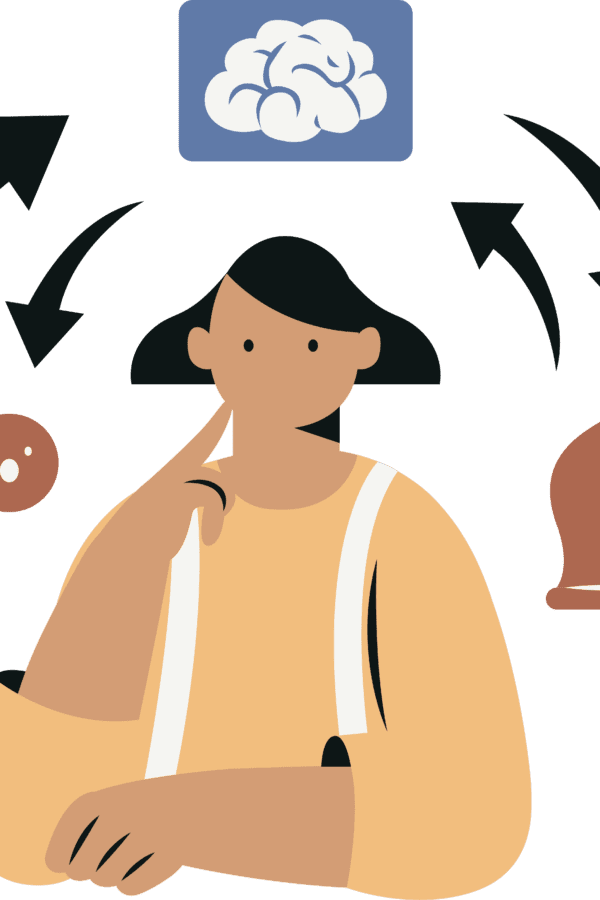
Network theories of emotion explain anxiety, depression, and emotional patterns. Therapy can help break emotional loops and restore balance.
Learn how your thoughts shape emotions. Explore appraisal theory and how cognitive appraisals influence emotional responses in counselling and daily life
Join a professional therapy group in Aegina for English-speaking expats. Safe, supportive sessions led by BACP therapist. Register your interest today.
Curious about therapy? Discover what people talk about in therapy and why common beliefs about counselling are often misleading.
Worried about fainting during a panic attack? Discover why fainting is unlikely, how fear of public panic attacks and how therapy can help.
Returning to therapy after a break can feel daunting, but it’s a positive step toward self-care. Discover tips for easing back into therapy
A panic attack feels overwhelming, but it cannot last forever. Learn the science behind anxiety, how panic attacks work, why they stop.
Many people with Attention-Deficit/Hyperactivity Disorder (ADHD) experience heightened sensitivity to sounds.
Learn about specific phobias and effective treatment options in our DSM-5 overview. Discover subtypes and their treatment.
Learn about orthorexia, an obsession with healthy eating, and its effects on mental health along with signs, symptoms, and treatment.
Therapy is not a cure for serious health problems, but it can be a powerful tool for managing the challenges that come with them
The therapeutic relationship is key to successful therapy. Unlike other relationships in life, the focus of this connection is the client.
Guilt is a natural emotion that arises when we feel we’ve done something wrong or failed to meet our own or others’ expectations.
Starting therapy? This article is about what questions to ask before your first therapy session before making your decision.
Cognitive Behavioral Therapy (CBT) offers practical strategies to manage anxiety and negative thought patterns effectively for overthinking
The cognitive triad is about how negative thought patterns about the self, the world, and the future contribute to depression and anxiety
Learn about its role in emotional support, behavioral change, and personal growth. Explore psychotherapy services at Oceanos Counselling.
Learn about intrusive thoughts, their causes, and the most common types people experience. Discover how CBT can provide effective treatment.
Discover the effectiveness of online therapy. Learn about its benefits, challenges, and how Oceanos Therapy can support your mental health.
Learn about people pleasing, its signs, causes, and consequences. Discover how CBT can effectively treat people pleasing behaviors.
Learn how to recognize the need for a therapy break, plan it effectively, and manage your mental health during the pause.
Jacques Lacan's mirror phase is a key concept in psychoanalysis. It is a developmental stage shapes identity, self-awareness.
Struggling with relationship problems? Learn the benefits of individual therapy vs. couples therapy and how to choose the right path.
This article explores "How exactly does dopamine work?" and "Why are we becoming more attuned to quick dopamine releases?"
Intuitive Eating helps those with Binge Eating Disorder by rebuilding Trust in Hunger and Fullness Cues while promoting healthy eating habits
Freud's concept of libido is significant in psychoanalytic theory. It aims to explain influences on human behaviour beyond sexual acts.
Trichotillomania or hair-pulling disorder is about feeling a strong urge to pull out hair leading to noticeable hair loss, distress.
Skin Picking Disorder is repetitive skin picking that leads to tissue damage and distress. CBT is the primary approach to treatment.
Learn why therapists enforce strict therapy boundaries around sessions, timings, cancellations, and payments aims to benefit all parties alike
The concept of the polyphonic self-described as an individual’s identity is composed of multiple, sometimes conflicting, voices or aspects.
Irreverence in therapy involves questioning and challenging commonly accepted beliefs, norms, and authorities.
Internal Family Systems Therapy views the mind as a system of different parts, each with its own perspective and roles.
Transactional Analysis offers a framework for understanding human behaviour, communication, and relationships.
Narrative therapy is a unique approach to counselling that helps individuals rewrite their personal stories.
Inaccurate mental health content ranges from oversimplified explanations of complex disorders to outright false claims about treatment.
The DSM-IV's multi-axial system assessed individuals across five different axes, addressing aspects of conditions and their impact.
Speech therapy aims to improve speech, language, voice, fluency (stuttering), and swallowing difficulties.
Time horizon refers to when an people or organization plans or expects to achieve a particular objective vary from short-term to long-term
ADHD can make it harder for adolescents to meet academic expectations, maintain friendships, and engage in extracurricular activities leading to extended adolescence
Executive functioning is cognitive skills such asplanning and organization to decision-making and problem-solving commonly impaired with ADHD
The response inhibition theory explains that govern our ability to suppress automatic reactions in favour of more adaptive actions.
The monoamine hypothesis posits that a deficiency in the levels of monoamine neurotransmitters in the brain primarily causes depression.
Ttransference-focused psychoanalysis focuses on the therapeutic relationship and the dynamics of transference and countertransference.
Functions of negative emotions serve a purpose beyond just making us feel bad. They play essential roles in our daily lives and mental health.
Approaches like CBT and exposure therapy often facilitate out-of-office Therapeutic Interventions and offer solutions to service users.
Therapist referral can leave you confused, rejected, or even frustrated, even though it often aims to keep your best interests in mind.
The allure of self-help lies in its promise to empower individuals to take control of their lives and obstacles, while achieving their goals.
Coaching and therapy aim to assist individuals for their challenges and achieving goals, and they operate in distinct ways.
Hoarding disorder is defined as the accumulation of clutter and leads to compromised living spaces, impaired functioning, and relationships.
Many individuals struggling with mental health issues also experience a lack of energy, which can hinder their daily functioning.
Therapeutic interventions, particularly Cognitive Behavioral Therapy (CBT), play a significant role in defence mechanisms and self-awareness.
Workaholism can be defined as an addiction to work and an uncontrollable need to work incessantly, often at the expense of personal well-being
Splitting involves viewing people, situations, or even oneself in extreme and polarized terms as good or all bad, almost no middle ground.
Self-forgiveness requires patience, courage, and vulnerability to confront one's inner demons while transforming people's lives.
Mindfulness continues to weave its way into the fabric of modern psychology, its dominance in research underscores a shift.
Knowing what to do if you meet your therapist in a social setting can be tricky because it can raise emotions and questions of confidentiality
The Polyvagal Theory, developed by Dr. Stephen Porges, tries to explain the link between our nervous system, emotions, and social behaviour.
Porn addiction is characterized by an individual's inability to control their consumption of pornography despite negative consequences.
Adult attachment theory explains how early experiences shape our interpersonal behaviours and patterns throughout our lives.
Recognizing when to consider hospitalization for mental health concerns is appropriate and crucial for individuals experiencing challenges.
Exposure is a fundamental principle in Cognitive Behavioral Therapy that involves confronting feared stimuli or situations in therapy.
There are circumstances where therapists are required for breaking confidentiality to safeguard the welfare of their clients
Peer supervision is when therapists discuss their cases, seek feedback, share experiences, and provide mutual support.
The Empty Chair technique involves physically using an empty chair to represent a significant person, emotion, or aspect of oneself.
Starting therapy with a therapist in training can be a cost-effective option for individuals seeking support, but there are many considerations.
Somatization Disorder characterized by persistent physical symptoms that cannot be fully explained by medical or neurological conditions.
The transtheoretical Model of change (TTM) provides a framework for comprehending individuals' processes when modifying behaviour.
While traditional therapy sessions offer valuable insights and guidance, homework in therapy and assignments extend the therapeutic process.
Mindfulness meditation involves the intentional redirection of attention to a chosen focal point as an anchor to the present moment.
Interpersonal neurobiology (IPNB), a multidisciplinary field combining insights from neuroscience, psychology, and relationships.
Health anxiety disorder or hypochondriasis, is characterized by excessive worry and fear about having a serious medical illness.
The sympathetic and parasympathetic nervous systems regulate vital functions, directing the body's responses to internal and external stimuli.
Despite our innate desire for connection and intimacy, many individuals inadvertently self-sabotage their relationships, leading to distress.
Electroconvulsive Therapy ECT has evolved into a safe and effective treatment for severe depression despite popular misconceptions.
While medication can be an invaluable tool in reducing symptom severity, it is also not always necessary or appropriate for everyone.
ADHD is characterized by patterns of inattention, hyperactivity, and impulsivity that interfere with daily functioning and development.
Addiction is commonly defined as a chronic, relapsing disorder characterized by compulsive drug seeking, despite harmful consequences.
Integrating learning new skills into therapeutic practices is a powerful method for fostering personal growth and resilience.
The conclusion of therapy is a milestone that represents the culmination of introspection, growth, and the development of coping mechanisms.
The collaborative care approach between different healthcare professionals is an effective strategy for addressing the needs of individuals.
Quality of life encompasses more than material wealth and physical health; it also covers emotional and psychological well-being as well.
Plasticity refers to the brain's ability to change and adapt throughout life in response to experiences, environment, and learning.
Missing therapy sessions can affect progress. There can be many reasons behind missed therapy sessions and potential ramifications.
Affordable psychotherapy has long been a concern for many people. This article explores many affordable options for therapy.
Cognitive Behavioral Therapy on time management and productivity offers light on how strategies can help individuals achieve their goals.
Psychotherapy is a field that requires therapists to navigate cultural norms and dilemmas which shape individuals' beliefs and behaviours.
The midlife crisis is a period of self-reflection and reevaluation that typically occurs in one's 40s or 50s.
Understanding the psychological theories of development provides insights into the factors that shape individuals throughout their lives.
Concerns over game addiction, a phenomenon that can have profound effects on mental health and overall well-being.
Premenstrual Dysphoric Disorder (PMDD) is a severe form of PMS that affects a small percentage of menstruating individuals.
Disability is a concept that extends beyond physical impairments that can impact a person's ability to participate fully in society.
A school counsellor works within the educational system to support students' personal, social, academic, and career development.
Developmental Spectrum Disorders encompass a diverse array of conditions impacting individuals' growth and development.
Therapists often employ powerful tools like metaphors and storytelling to unlock the doors of understanding and facilitate healing.
People with agoraphobia experience intense fear and anxiety in situations where escape might be difficult might not be readily available.
The synergy of psychotherapy and psychiatric assessment provides a comprehensive understanding of an individual's mental health.
Cyclothymic Disorder is a mood disorder that manifests as chronic mood swings ranging from mild depression to hypomania.
Multiple Therapeutic Interventions with more than one therapist could potentially hinder the effectiveness of the therapeutic journey.
Comorbidity, the coexistence of multiple chronic conditions or disorders, is a pervasive reality in both physical and mental health.
Alfred Kinsey embarked on groundbreaking research that would forever change the way society perceived and understood human sexuality.
Seasonal Affective Disorder (SAD) is recurrent depressive episodes that occur most commonly during fall and winter.
Substance use disorders are conditions characterized by the recurrent use of substances despite adverse consequences.
The synergy of psychotherapy and psychiatric assessment provides a comprehensive understanding of an individual's mental health.
Couple therapy focuses on helping individuals in a romantic relationship to resolve conflicts, improve communication and bonds.
Comfort Zone is deeply ingrained in the human psyche. While it offers a sense of security and predictability, it can stifle growth.
Science literacy is the ability to understand and interpret concepts, critically evaluate information, and apply reasoning in context.
Conspiracy theories are speculative explanations that suggest powerful people are secretly orchestrating events for their benefit.
Eye Movement Desensitization and Reprocessing (EMDR) has emerged as an approach for individuals grappling with the aftermath of trauma.
Identity is a construct that shapes who we are and how we perceive in relation to the world which significantly influences mental health.
Group therapy is a therapeutic approach where a trained mental health professional facilitates a group discussion among individuals facing similar issues or concerns.
Avoidance is a natural part of life, persistent and pervasive avoidance can become a manifestation of various mental health problems
The placebo effect refers to the observable improvement in a person's condition after receiving a treatment that has no therapeutic effect.
Adjustment disorder is often-utilized diagnosis for therapists working with insurance providers and in clinical settings.
The Socratic Method is characterized by a dialogical approach that encourages critical thinking, self-reflection, and insight development.
Existential psychotherapy is an approach to understanding and addressing human struggles and the fundamental questions of existence.
Technological advancements have brought people closer together, but the prevalence of social isolation and its impact on mental health cannot be ignored.
As clients achieve their therapy goals, the focus naturally shifts to prevention planning and post-therapy frequency.
Meditation, rooted in various traditions and cultures, has gained widespread recognition for its profound impact on mental health.
Cognitive Revolution, a period that sparked a paradigmatic shift away from behaviorism and laid the foundation for the cognitive sciences.
This article will take you on a journey through time, tracing the development of psychotherapy from its early roots to the practices of the present day.
Burnout is chronic physical and emotional exhaustion, often accompanied by a sense of cynicism and detachment from work and life.
The evolution of CBT has given rise to the Third Wave in CBT, a movement that emphasizes mindfulness, acceptance, and experiential techniques.
The PERMA model is designed to guide individuals toward a flourishing and fulfilling life by identifying key components of well-being.
Psychosis is a mental health condition characterized by a disconnection from reality, leading to distorted thoughts, emotions, and behaviors
Internet offers a vast pool of information and resources, it is crucial to recognize the dangers about relying on online mental health advice.
Supporting people with suicidal ideation requires empathy, understanding. It's crucial to approach the situation with sensitivity.
Sharing your therapist among close friends and family might sound like a good idea, but there are potential dangers associated.
Active listening is not merely hearing words; it is a conscious effort to understand, interpret, and respond to the speaker meaningfully.
Recognizing the signs of suicidal thoughts is crucial. There are various indicators of suicidal ideation which can help to identify.
Procrastination, the art of postponing tasks, might have a profound impact on personal and professional development.
Perfectionism, when taken to extremes, undergoes a transformation from a motivational force to a maladaptive burden.
The process of coming-out can also bring about immense personal growth, improved mental health, and a stronger sense of community.
The DSM has both positive and negative aspects that have shaped our understanding of mental health disorders over the years.
The field of counseling and psychiatry has witnessed a surge in diagnoses, raising concerns about the phenomenon of overdiagnosing.
Evolutionary psychology, a field that explores the ways in which human behavior has evolved offers insights towards modern disorders.
Symbolism when viewed through the lens of psychoanalysis, symbols take on a new dimension, becoming portals to the subconscious mind.
Dostoyevsky played a crucial role as Freud's Muse in shaping the emergence of psychoanalysis for Sigmund Freud and his theories.
Our childhood experiences shape our journey to adulthood. This article explores the therapy's role in rewriting the narrative.
Unmet Needs and Repressed Emotions plays an important role on our mental health regulating our mood, relationships, and overall well-being.
Selective Mutism (SM) is a childhood anxiety disorder characterized by the consistent inability to speak in specific social situations.
Generalized Anxiety Disorder (GAD) is characterized by excessive worry and anxiety about various aspects of life.
Sigmund Freud made groundbreaking contributions to the understanding of mental disorders, particularly neurosis and hysteria.
Embarking on a weight loss journey often involves a difficult approach, and Cognitive Behavioral Therapy (CBT) stands out as a powerful tool
Binge Eating Disorder (BED) consists of recurrent episodes of excessive food consumption and a profound sense of lost control.
Bulimia nervosa is marked by recurrent binge eating followed by compensatory behaviors affecting emotional and social well-being.
Anorexia nervosa is characterized by an intense fear of gaining weight, self-imposed starvation, and distorted body image.
Resistance is a common phenomenon that can emerge during therapy, creating challenges for both clients and therapists.
The therapeutic relationship forms the basis for healing and personal growth, and it creates a space with trust, understanding, and empathy.
Secondary trauma which directly affects an individual, secondary trauma stems from witnessing or hearing about the suffering of others.
Splitting is a emotional defense mechanism can significantly impact the individual's relationships, self-perception, and overall well-being.
Neurotransmitters, including serotonin, norepinephrine, and dopamine, regulate mood, attention, and overall mental well-being.
Case formulation provides therapists a structured approach to understanding and addressing the individual's psychological struggles.
What is the ideal therapeutic frequency for sessions? The answer varies depending on individual needs, circumstances, and therapeutic goals.
Rumination involves repeatedly thinking about the same thoughts, often negative or distressing, without reaching any resolution.
Complex Post-Traumatic Stress Disorder (C-PTSD) is a mental health condition stemming from prolonged and repetitive trauma.
The pursuit of meaning in therapy examines how therapists and clients collaboratively navigate the terrain of personal fulfillment.
Lets conceptualize Prisoner's Dilemma as Mind's Dilemma which our thoughts and emotions represent the two prisoners.
Assertiveness is a fundamental tool that empowers individuals to express their needs, feelings, and boundaries effectively.
Schizoid Personality Disorder is rare but complex limits one's ability to connect with others emotionally and engage in social relationships.
Synchronicity refers to meaningful events that unfold in therapy, creating a profound connection between the client and therapist.
The therapeutic relationship between a therapist and their client is at the core of effective therapy which is built on empathy and respect.
Schizotypal personality disorder often appears as a struggle to connect while appearing eccentric or peculiar in actions and beliefs.
Narcissistic Personality Disorder characterized by pattern of grandiosity, a deep need for admiration, and a lack of empathy for others.
As people embark on their therapy journey for positive change, a common question often arises: How long should therapy last?
The "Strange Situation" explains the connection between children and their caregivers and attachment styles and their implications.
The Minnesota Starvation Experiment, has had an impact on how we perceive and treat disorders like anorexia and bulimia.
Schema Therapy is a holistic approach that delves deep into longstanding patterns and ingrained emotional themes.
The Transtheoretical Model of Behavior Change offers a valuable framework for the various stages of change process.
The Bobo doll experiment studied the relationship between observational learning and aggressive behavior in children.
The core tenets of Stoic influence on Therapy are the techniques and approaches employed by therapists today.
Let's explore the nature of therapist advice, the responsibilities of therapists, and whether or not giving advice is a part of their professional practice.
Dysthymia is a mental health condition characterized by a chronic, low-level depression that lasts for at least two years
In 1971, the Stanford Prison Experiment was meant to examine the psychological effects of perceived power and raised many ethical issues.
Generational trauma is a concept that explores how trauma experienced by one generation can affect subsequent generations.
Limited Reparenting involves the therapist adopting a supportive, empathetic, and nurturing role to help clients of their maladaptive schemas.
The human body works to ensure survival. One such mechanism, the fight or flight response, is a primal reaction against perceived threats
hlers and Clark's model emphasizes the cognitive processes and mechanisms involved in the development and maintenance of PTSD symptoms.
Common Factors Theory asserts that psychotherapy is primarily determined by common elements shared by all therapeutic approaches
Free association is a method used to explore thoughts, feelings, and memories without censorship or self-criticism.
Resilience theory, at its core, is the study of how individuals, communities, organizations, and systems can maintain their core functions and bounce back from disturbances.
The Dodo Effect refers to different therapeutic interventions, despite their varying techniques and approaches, yield comparable outcomes.
Attachment theory explains that quality of our early attachments to caregivers shapes our beliefs, behaviors, and expectations.
Freud explained that we instinctively seek pleasure and avoid pain, while Lacan introduced the concept of jouissance as a deeper, more intense experience
Histrionic Personality Disorder (HPD) is characterized by pervasive attention seeking, excessive emotionality, and strong desires for approval
Boundaries play a crucial role in our relationships, self-esteem, and overall quality of life as invisible lines that define our limits.
Anger is a natural emotion, but when it gets out of control, it can wreak havoc on our lives and relationships, CBT is a tool which can help
Post-traumatic growth is a concept that individuals not just recovering from adversity but emerging stronger, wiser, and more compassionate.
Negative schemas, deeply rooted in early life experiences, play a pivotal role in shaping individuals' perceptions and behaviours.
Bipolar disorder is a condition characterized by extreme mood swings between manic highs and depressive lows impacts individuals' lives.
Humor in therapy can play a vital role in the therapeutic process by helping to navigate difficult emotions and foster connections.
Person-centered therapy, developed by the renowned psychologist Carl Rogers, changed how therapists perceive and interact with their clients.
Gestalt therapy is a client-centred therapy that focuses on the present moment and immediate thoughts, feelings, and behaviours.
Postpartum depression (PPD) is a serious mental health condition that affects many women after giving birth with symptoms and treatment options.
Let us explore the concept of imagery in therapy, and how it is utilized to facilitate positive change and emotional well-being.
In this article, we will explore Lacanian terminology, providing readers with a guide to understanding the key concepts by Jacques Lacan.
The article delves into some of the key terms used by Freud and explores terms and concepts intrinsic to psychoanalysis and popular culture.
Let's explore Self-Determination Theory's core concepts and how it empowers one to lead a life of self-discovery and determination.
I have been finding myself passionately following the Talking Therapy Podcast Series hosted by long term friends and psychotherapy giants Dr. Allen Frances, and Dr. Marvin Goldfried.
In this article we will explore the causes and symptoms of panic disorder, as well as the various treatment options available.
This article explores models and theories shaping mental health, emphasizing the interplay between biological and social factors.
Therapists have used Dream interpretation to understand the complexities of human emotions, thoughts, and experiences within many approaches.
This article explores the connection between nutrition and mental health. The way we eat can influence our mental health positively.
In this article, we will explore what sleep hygiene is and provide practical tips to help you achieve restful and rejuvenating sleep.
Personality disorders characterized by enduring patterns of behavior, cognition, and inner experience which cause significant stress.
Grief is a universal but unique experience. Five Stages of Grief proposes a structured approach to the grieving process.
The assumptive world model describes the mental constructs of how the world works and how life events are shattered by a significant loss.
The Continuous Bonds Model builds on the enduring nature of relationships even after the passing of a loved one.
The Dual Process Model of Grief recognizes the balance between confronting the reality of the loss and adapting to the demands of daily life.
In this guide, we explore queer theory sexualities, gender identities, romantic orientations, and pronouns that make up the LGBTQI+ spectrum.
LGBTQI+ mental health inclusive therapy can play a vital role in fostering resilience, self-acceptance, and emotional healing.
Somatoform Disorders, a group of psychological conditions, illuminate this intricate relationship, challenging our understanding of physical symptoms and their origins.
Providing Mental Health Care for LGBTQI+ Individuals Diversity, Etiology & Psychoanalytic Models" online lecture hosted by NYC, Athens
We will explore eating disorders, including types, symptoms, causes, treatment options, lifestyle changes, and addressing underlying factors.
Lets explore Anxiety disorders, types, causes, symptoms along with how to manage and support individuals living with anxiety.
Understanding Borderline Personality Disorder requires learning about its symptoms, causes, and treatment options.
Understanding obsessive-compulsive disorder requires learning about intrusive thoughts, avoidance, behavioral avoidance, anxiety, and rituals
Social anxiety disorder can be defined as extreme sensitivity against social cues and fear of negative evaluation
Negative Automatic Thoughts and Cognitive Distortions often intertwine, creating patterns that shape our perceptions and reactions negatively.
In this exploration of basic concepts of grief, we learn loss, mourning, and recovery, learning about models and methods that help us cope
Trauma can have a profound effect on our lives, this article dives into layers of trauma ptsd treatment and evidence-based interventions
In this article you can find information about worry, anxiety and panic attacks and evidence based treatment options.
Lets dive into what is depression while talking about treatment, therapy, statistic from a comprehensive perspective.
A comprehensive guide about what is therapy and how to choose a therapist for your journey aligned with your goals.
Understanding and regulating emotions can be a difficult task since emotions fuel our everyday functioning
Lets explore how psychotherapy empowers personal and professional growth and the pivotal role of setting therapy goals for psychotherapy
Ready to begin? Start your online therapy journey today.
Book your first session now