
Human development is the process of physical, cognitive, and emotional growth from infancy to adulthood. Understanding the psychological theories of development provides valuable insights into the factors that shape individuals throughout their lives. In this exploration, we will delve into some prominent theories that have shaped our understanding of human development, detailing the steps and changes associated with each theory and emphasizing their significance.
1. Freudian Psychosexual Development
a. Oral Stage (0-18 months):
- Focus: Pleasure derived from oral activities (sucking, biting).
- Key Challenge: Trust versus mistrust.
- Importance: Successful resolution establishes a sense of trust and security.
b. Anal Stage (18 months - 3 years):
- Focus: Gratification from bowel and bladder control.
- Key Challenge: Autonomy versus shame and doubt.
- Importance: Developing a sense of independence and control.
c. Phallic Stage (3-6 years):
- Focus: Sexual curiosity, Oedipus and Electra complexes.
- Key Challenge: Initiative versus guilt.
- Importance: Formation of gender identity and the superego.
d. Latent Stage (6-12 years):
- Focus: Suppression of sexual feelings, focus on school and friendships.
- Key Challenge: Industry versus inferiority.
- Importance: Development of competence and self-esteem.
e. Genital Stage (12 years and beyond):
- Focus: Sexual maturity, forming mature relationships.
- Key Challenge: Intimacy versus isolation.
- Importance: Establishment of healthy, intimate relationships.
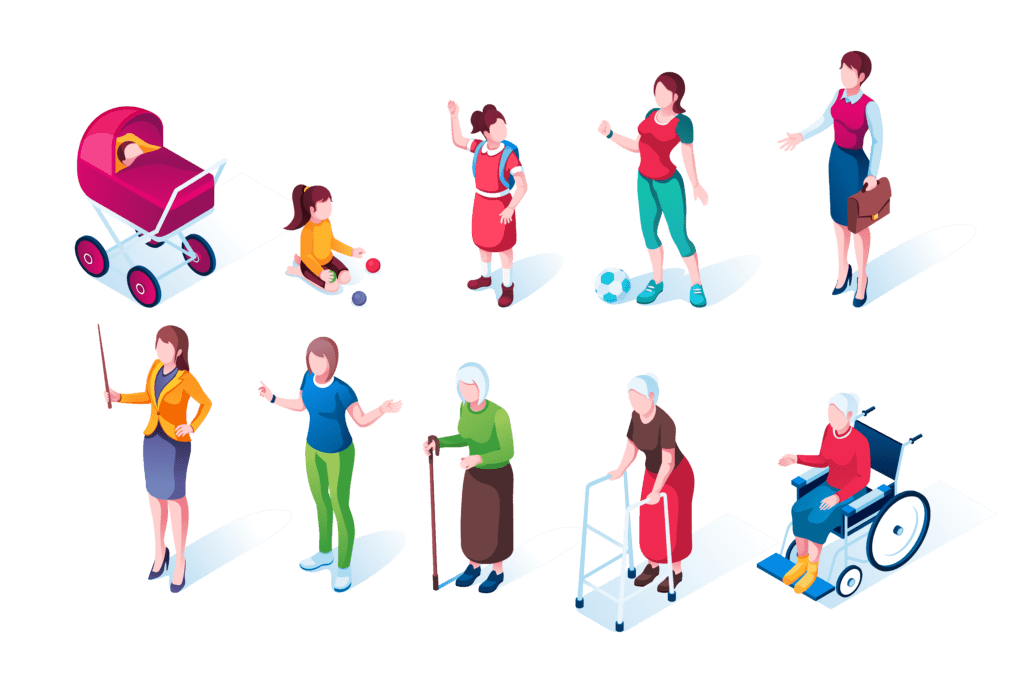
2. Erikson's Psychosocial Development:
a. Trust vs. Mistrust (0-1 year):
- Challenge: Establishing trust through consistent caregiving.
- Importance: Foundation for a sense of security and optimism.
b. Autonomy vs. Shame and Doubt (1-3 years):
- Challenge: Developing independence and self-control.
- Importance: Fostering a sense of autonomy and confidence.
c. Initiative vs. Guilt (3-6 years):
- Challenge: Exploring the environment and taking on new challenges.
- Importance: Cultivating a sense of purpose and initiative.
d. Industry vs. Inferiority (6-12 years):
- Challenge: Developing competence and skills.
- Importance: Building self-esteem and a positive self-concept.
e. Identity vs. Role Confusion (12-18 years):
- Challenge: Forming a clear sense of identity.
- Importance: Establishing a stable self-identity.
f. Intimacy vs. Isolation (18-40 years):
- Challenge: Forming close, meaningful relationships.
- Importance: Establishing connections and intimacy.
g. Generativity vs. Stagnation (40-65 years):
- Challenge: Contributing to society and guiding the next generation.
- Importance: Fostering a sense of purpose and generativity.
h. Integrity vs. Despair (65 years and beyond):
- Challenge: Reflecting on life and accepting its meaning.
- Importance: Achieving a sense of fulfillment and wisdom.
3. Piaget's Cognitive Development:
a. Sensorimotor Stage (0-2 years):
- Characteristics: Learning through senses and motor skills.
- Importance: Development of object permanence and basic motor skills.
b. Preoperational Stage (2-7 years):
- Characteristics: Egocentrism, symbolic thinking.
- Importance: Development of language and imaginative play.
c. Concrete Operational Stage (7-11 years):
- Characteristics: Logical thinking, understanding conservation.
- Importance: Improved problem-solving and understanding of cause and effect.
d. Formal Operational Stage (11 years and beyond):
- Characteristics: Abstract thinking, hypothetical reasoning.
- Importance: Advanced problem-solving and critical thinking skills.
4. Vygotsky's Sociocultural Theory:
a. Zone of Proximal Development (ZPD):
- Concept: The gap between what a learner can do independently and with assistance.
- Importance: Emphasizes the role of social interaction and guidance in learning.
b. Scaffolding:
- Concept: Temporary support provided by a mentor to facilitate learning.
- Importance: Promotes skill development and understanding within the learner's ZPD.
5. Behavioral Theories:
a. Classical Conditioning (Pavlov):
- Process: Associating a neutral stimulus with an involuntary response.
- Importance: Understanding how behaviors are learned through associations.
b. Operant Conditioning (Skinner):
- Process: Learning through consequences (reinforcement or punishment).
- Importance: Emphasizes the role of consequences in shaping behavior.
6. Attachment Theory:
a. Attachment Formation (Bowlby):
- Stages: Pre-attachment, attachment-in-the-making, clear-cut attachment.
- Importance: The foundation for emotional security and future relationships.
b. Strange Situation Test (Ainsworth):
- Categories: Secure attachment, insecure-avoidant, insecure-ambivalent.
- Importance: Classifying attachment styles and understanding their impact.
In conclusion, these developmental theories collectively provide a comprehensive framework for understanding the intricate processes that shape individuals. While each theory offers unique insights, a holistic approach that integrates elements from various theories is crucial for a nuanced understanding of human development. Recognizing the interconnectedness of physical, cognitive, and emotional aspects is key to fostering healthy development across the lifespan. Whether we examine the psychosexual stages proposed by Freud, Erikson's psychosocial challenges, Piaget's cognitive milestones, Vygotsky's emphasis on social interaction, or the behavioral perspectives on conditioning, each theory contributes to our understanding of the intricate tapestry of human development.