
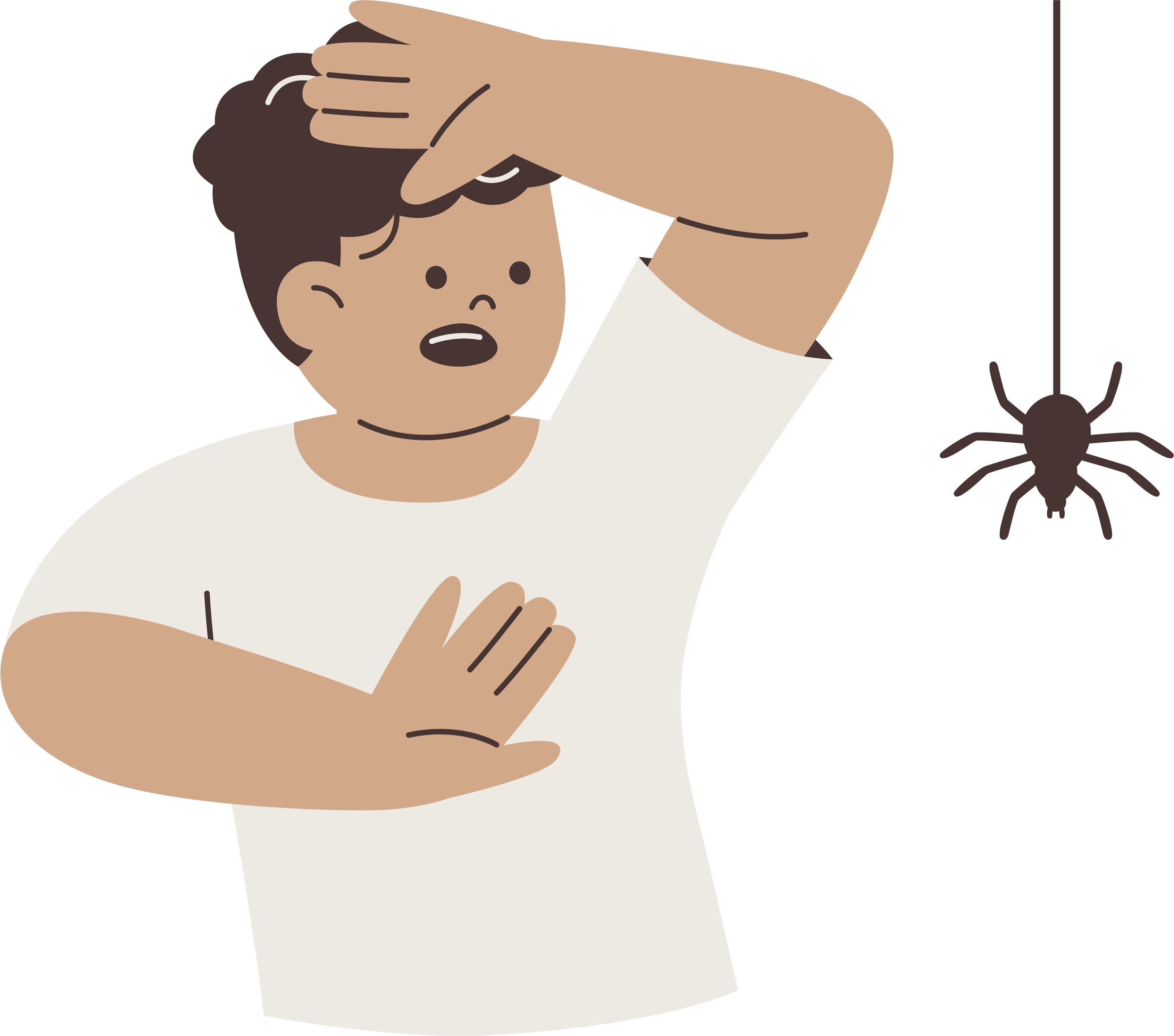
Specific phobias are strong, overwhelming fears of certain objects or situations. These fears can disrupt everyday life, but with proper treatment, it is possible to overcome them—even to the point where the fear response is completely extinguished. In this article, we explain what specific phobias are, detail the DSM-5 subtypes, and discuss treatment options that can help reduce and eventually eliminate these fears.
What Is a Specific Phobia?
A specific phobia is an intense, persistent fear of a particular object or situation. The fear is usually out of proportion to any real threat and can lead to significant anxiety and avoidance behaviors. When a person encounters the feared object or situation, they may experience physical symptoms such as a fast heartbeat, sweating, trembling, or an urgent need to escape.
DSM-5 Subtypes of Specific Phobia
The DSM-5 categorizes specific phobias into five subtypes. Here’s are the subtypes:
- Animal Subtype:
This subtype includes fears related to animals. For example, arachnophobia (fear of spiders), ophidiophobia (fear of snakes), and cynophobia (fear of dogs) all fall under this category. Even a brief encounter with the animal can trigger a strong fear response. - Natural Environment Subtype:
Fears in this category involve natural phenomena. Examples include acrophobia (fear of heights), hydrophobia (fear of water), astraphobia (fear of storms or lightning), and nyctophobia (fear of darkness). The unpredictable nature of the environment often drives these fears. - Blood-Injection-Injury Subtype:
This subtype involves anxiety related to blood, injections, or medical procedures. Terms such as hemophobia (fear of blood) and trypanophobia (fear of injections) are commonly used. A unique aspect of this subtype is that some individuals may experience a drop in heart rate or even faint when confronted with these triggers. - Situational Subtype:
Situational phobias are linked to specific contexts or environments. Examples include aerophobia (fear of flying) and claustrophobia (fear of enclosed spaces, such as elevators or crowded areas). The fear is usually centered on the situation rather than on a specific object. - Other Subtype:
This catch-all category includes any persistent fear that does not fit neatly into the above groups.

How Are Specific Phobias Treated?
Treatment for specific phobias is designed to reduce and eventually extinguish the fear response. Several approaches, often used in combination, include:
Exposure Therapy
Exposure therapy is one of the most effective treatments. It involves gradually and repeatedly exposing the individual to the feared object or situation in a controlled setting. Over time, this repeated exposure leads to extinction—a process where the fear response fades and can eventually disappear. For example, someone with arachnophobia might start by viewing pictures of spiders, then progress to watching videos, and eventually have a guided, safe encounter with a spider.
Cognitive-Behavioral Therapy (CBT)
Cognitive-behavioral therapy helps by addressing the thoughts and behaviors that fuel the phobia. In CBT, individuals learn to challenge and change negative ideas about the feared object or situation, replacing them with more balanced thoughts. This method is often used alongside exposure therapy, providing both mental and practical tools to reduce anxiety.
Medication
While not typically the primary treatment for specific phobias, medication can help manage the physical symptoms of anxiety, such as a rapid heartbeat or severe nervousness. Anti-anxiety medications or antidepressants might be prescribed as part of a broader treatment plan, especially in the early stages of therapy.
Self-Help Techniques and Support
Self-help strategies, such as deep breathing, mindfulness, and relaxation exercises, can complement professional treatment. Additionally, joining a support group or connecting with others who have similar experiences can offer valuable encouragement and insight throughout the recovery process.
Moving Forward: Living Beyond the Phobia
Overcoming a specific phobia is a gradual process. The goal of treatment is to reduce the fear so that it no longer restricts daily life—sometimes even leading to the complete extinction of the fear response. Whether your phobia relates to animals (like arachnophobia, ophidiophobia, or cynophobia), natural environments (such as acrophobia, hydrophobia, astraphobia, or nyctophobia), blood/injection/injury scenarios (like hemophobia or trypanophobia), situational triggers (such as aerophobia or claustrophobia), or falls under another category, there is help available.
If you or someone you know is struggling with a specific phobia, consider reaching out to a mental health professional. With expert guidance and a supportive treatment plan, it is possible to reduce—and even extinguish—the fear, paving the way for a more confident and fulfilling life.
For more information on specific phobias and their treatment options, or to schedule a consultation, please contact our office. We are here to help you on your journey to improved mental well-being.