
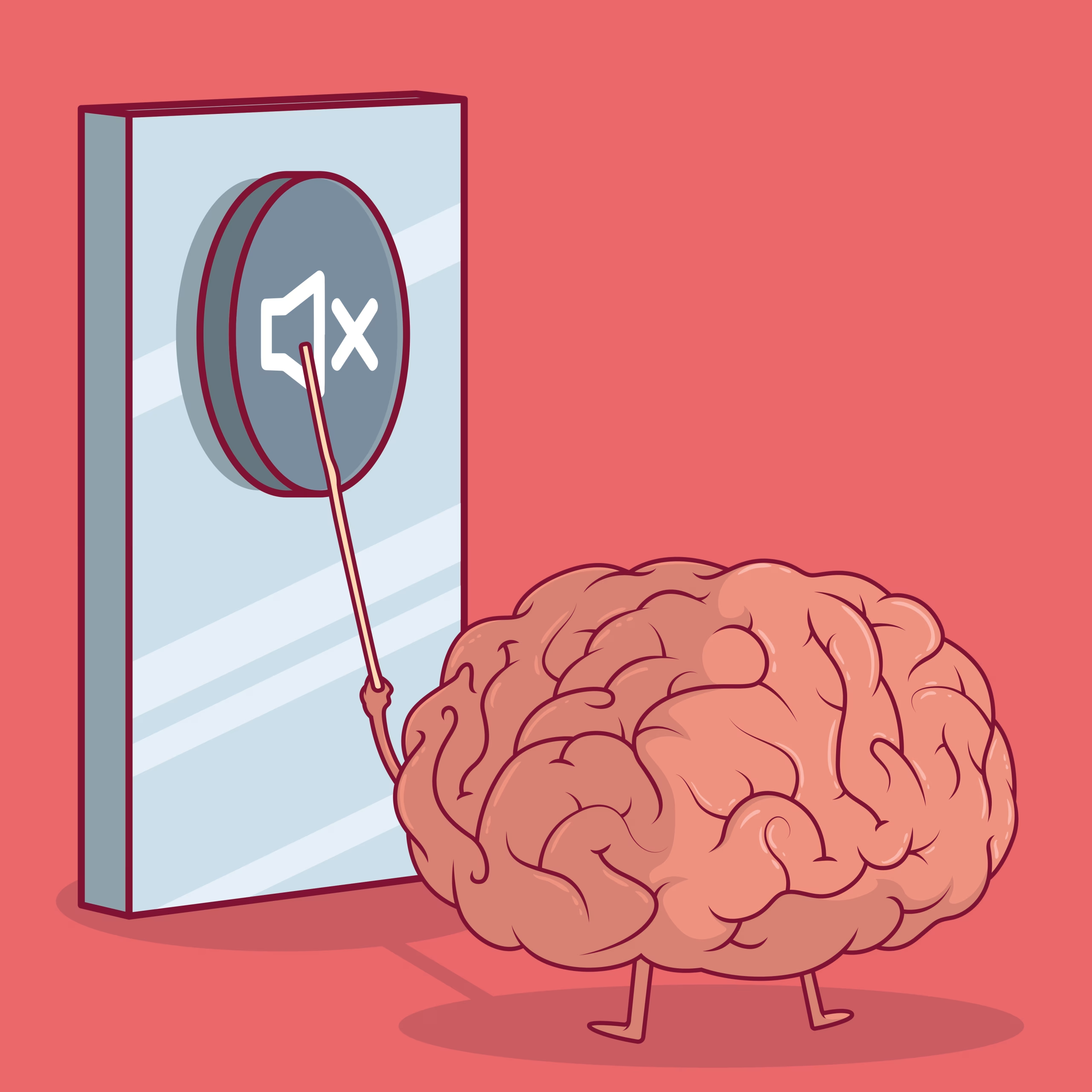
What Is Sound Sensitivity in ADHD?
Many people with Attention-Deficit/Hyperactivity Disorder (ADHD) experience heightened sensitivity to sounds. Everyday noises that others barely notice—such as a ticking clock, background conversations, or a distant siren—can feel overwhelming. Sound sensitivity in ADHD, often referred to as hyperacusis or auditory hypersensitivity, can make daily life more challenging for individuals with ADHD.
Hyperacusis, Misophonia, and Hypersensitivity
Sound sensitivity in ADHD can take different forms, including:
- Hyperacusis: A heightened sensitivity to everyday sounds, making them seem excessively loud or painful.
- Misophonia: A strong emotional reaction (such as anger or anxiety) to specific sounds, like chewing, tapping, or breathing.
- Hypersensitivity: A general overreaction to auditory input, making it difficult to filter out background noise and focus on tasks.
Each of these conditions can contribute to auditory overload and make daily activities more stressful.
Why Does ADHD Cause Sound Sensitivity?
ADHD affects the brain’s ability to regulate attention and sensory processing. The nervous system may have difficulty filtering out irrelevant sounds, leading to a state of sensory overload. This happens because:
- Dopamine Dysregulation: ADHD is linked to lower dopamine levels, which impacts attention and the brain’s ability to filter stimuli effectively.
- Overactive Sensory Processing: The brain struggles to distinguish between important and unimportant sounds, making every noise seem equally significant.
- Fight-or-Flight Response: Some sounds may trigger a heightened stress response, making individuals feel anxious or irritable.

Common Sounds That Can Feel Overwhelming
People with ADHD may struggle with:
- Sudden loud noises (sirens, alarms, barking dogs)
- Repetitive sounds (clocks ticking, pen clicking, tapping)
- Background chatter (cafes, open offices, crowded rooms)
- High-pitched frequencies (microwave beeping, phone notifications)
These noises can be distracting, frustrating, or even painful, making it difficult to concentrate, relax, or sleep.
The Impact of Sound Sensitivity on Daily Life
For individuals with ADHD, sound sensitivity can affect:
- Work and School Performance: Difficulty focusing in noisy environments can reduce productivity and lead to increased frustration.
- Social Interactions: Overstimulation from background noise may cause avoidance of social gatherings.
- Mental Health: Constant exposure to irritating sounds can increase anxiety, stress, and emotional exhaustion.
How to Manage Sound Sensitivity with ADHD
If you or someone you know struggles with sound sensitivity, here are some strategies that can help:
1. Use Noise-Canceling Headphones
High-quality noise-canceling headphones can block out disruptive background sounds, improving focus and reducing stress.
2. Create a Quiet Environment
Where possible, modify your surroundings by using soft furnishings, white noise machines, or earplugs to minimize auditory distractions.
3. Take Sensory Breaks
If noise becomes overwhelming, stepping into a quiet space for a few minutes can help reset the nervous system.
4. Practice Mindfulness and Relaxation Techniques
Deep breathing, meditation, and progressive muscle relaxation can help regulate sensory overload and reduce stress.
5. Cognitive Behavioral Therapy (CBT)
Cognitive Behavioral Therapy (CBT) can be a helpful tool for managing sound sensitivity in ADHD. CBT techniques can help individuals reframe their reactions to noise, reduce anxiety associated with sound triggers, and develop coping strategies to handle auditory overstimulation more effectively.
6. Advocate for Your Needs
Whether at work, school, or in social settings, communicating your sensitivity to noise can help others understand and make accommodations when possible.
When to Seek Professional Help
If sound sensitivity significantly impacts daily life, sensory integration therapy, occupational therapy, or ADHD coaching may offer additional support. A professional can provide strategies tailored to individual needs.
Final Thoughts
Sound sensitivity is a real and often frustrating challenge for individuals with ADHD. Understanding the connection between ADHD and sensory processing can lead to better coping strategies, improved focus, and reduced stress. By recognizing personal triggers and implementing helpful techniques, individuals with ADHD can navigate their environments more comfortably and confidently.